Home Septic Tank Pumping
Septic tank pumping · Cleveland, TN
Septic Tank Pumping in Cleveland, TN
Most homes around Cleveland need their tank pumped every 3 to 5 years. We pump it out, check the baffles and lid, tell you what we saw, and leave your yard the way we found it.
Price range on the phone
Both compartments pumped
Lid left secure
Quick answer
How much does it cost to pump a septic tank in Cleveland, TN?
A standard residential pump-out in the Cleveland area typically costs about $300 to $600. Where you land in that range depends on your tank size, how full it is, how far the truck has to reach, and whether the lid is buried. Digging up a buried lid usually adds $50 to $150 or more.
$300–$600
Typical residential pump-out
$50–$150+
If the lid has to be dug up
3–5 years
How often most homes need it
The job, start to finish
What happens during a septic pump-out?
A pump-out is more than sticking a hose in the tank. Here is what a proper job looks like, and what you should expect from anyone you hire.
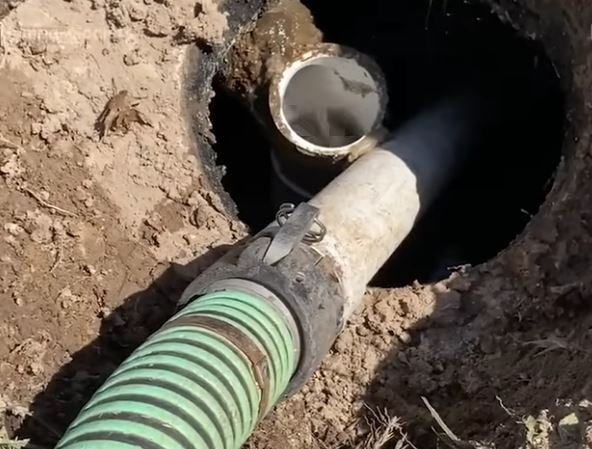
- Find and open the lid. If you have a riser, this takes a minute. If the lid is buried, we probe for it and dig it up.
- Check the level before pumping. A tank that is too full tells one story. A normal level with a house that will not drain tells another, usually a clogged line or baffle. This check keeps you from paying for the wrong fix.
- Pump through the main lid, every compartment. Pumping only through the small inspection port over a baffle leaves sludge behind. Two-compartment tanks get both sides pumped.
- Look at the inlet and outlet baffles. Missing, broken or misplaced baffles are one of the most common reasons a tank backs up again right after pumping.
- Clean the effluent filter if your tank has one, and look over the tank walls and lid for cracks.
- Close it up and clean up. Lid seated and secure, yard left tidy, and a plain-English rundown of what we saw and when to pump next.
Timing
How often should you pump a septic tank in Tennessee?
For most households, every 3 to 5 years. The right number for your house depends on a few things:
- How many people live there. A family of four on a 1,000-gallon tank usually lands closer to 3 years. A couple on a 1,500-gallon tank can often go longer.
- Garbage disposal use. Food scraps add solids fast. If you run a disposal, plan on pumping more often.
- Tank size. Tennessee sizes tanks by bedrooms, and a 1,000-gallon tank is common on 3-bedroom homes around Cleveland.
- Guests and rentals. A full house over the holidays or a rental with changing tenants fills a tank quicker than you would think.
The only way to know for sure is to measure the sludge and scum layers. If we open your tank and it does not need pumping yet, we will tell you.
Local know-how
Why septic tanks around Cleveland need a little extra attention
Septic systems work the same everywhere, but the ground here makes a difference.
Clay soil and heavy rain
A lot of ground in Bradley County is clay with rock underneath, and Southeast Tennessee gets around 50 inches of rain in a typical year. Clay drains slowly, so after a wet spring week your drain field is already working hard. A tank full of solids makes that worse. If you can, schedule routine pumping in the drier months of late summer and fall.
Hills, rock and buried lids
Plenty of homes out Georgetown Road, down toward Dalton Pike, and east along Waterlevel Highway sit on sloped or rocky lots. Buried lids are harder to dig out there, which is why a riser pays for itself after a couple of pump-outs.
City sewer or septic?
Much of inside-the-city Cleveland is on Cleveland Utilities sewer, but a large share of the county is on septic. If you are not sure which you have, check your bill for a sewer charge. No sewer charge usually means you have a septic tank.
Older systems
Older homes and mobile homes around the county often have tanks nobody has records for. If you just bought an older place and do not know when it was last pumped, assume it is due and have it checked.
Warning signs
Signs your septic tank needs pumping
- Drains slow down all over the house
- Gurgling in toilets, tubs or sinks
- Sewage smell near the tank or in the yard
- Soggy ground or extra-green grass over the drain field
- Water backing up into the lowest shower or tub
- It has been more than 5 years, or you do not know
Getting ready
What to do before we pump your tank
- Find the lid if you can. Your TDEC septic permit or home inspection report often shows where the tank is.
- Make sure the truck can get close, and unlock any gates.
- Keep dogs inside while we work.
- Hold off on laundry and long showers that morning.
- Jot down when it was last pumped, if you know.
Save money next time
Tired of paying to dig up the lid? Add a riser
A riser is a sealed extension that brings your septic lid up to ground level. Instead of digging every few years, we just lift the lid. If you are paying $50 to $150 or more in digging each time, a riser usually pays for itself within a couple of pump-outs, and it makes the tank easy to find in an emergency.
Between pump-outs
How to keep your septic tank healthy
Keep wipes out
Even wipes labeled flushable do not break down like toilet paper. They snag on baffles and clog lines.
Wipe greasy pans first
Wipe grease out with a paper towel before washing. Grease floats, hardens and builds a thick scum layer.
Spread out laundry
Five loads on Saturday floods the tank and drain field. A load a day is much easier on the system.
Skip the additives
Your tank already has the bacteria it needs. Additives and baking soda do not replace pumping.
Service area
Where we work around Cleveland
Cleveland and the rest of Bradley County, plus nearby Ooltewah, Harrison, Benton and Ocoee.
Cleveland
South Cleveland
Charleston
Calhoun
McDonald
Georgetown
Hopewell
Ooltewah
Benton
Ocoee
Harrison
Zip codes: 37311, 37312, 37320, 37323, 37364. Not sure if we cover your road? Call and ask.
FAQ
Septic pumping questions we hear every week
How long does it take to pump a septic tank?
Usually 30 minutes to an hour for a standard residential tank with the lid already uncovered. Buried lids, two-compartment tanks and long hose runs add time.
Do I need to be home when you pump my tank?
Not always. If we can get the truck close, the lid is reachable, and gates are unlocked, we can do the work while you are out. Most people like to be there so we can walk them through what we found.
Will pumping fix my septic backup?
Only if the backup was caused by a full tank. If the tank level is normal and the house still is not draining, the clog is usually in the line between the house and the tank, or at the inlet baffle. We check the level before we pump so you do not pay for the wrong fix.
How do I find out what size my septic tank is?
Check the septic permit for your property in TDEC records, or your home inspection report. Tank size in Tennessee is based on the number of bedrooms, so most 3-bedroom homes around Cleveland have a 1,000-gallon tank. We can also measure it when we pump.
Can a septic tank go 20 years without being pumped?
It can keep working, but after that long solids have almost always started washing out into the drain field. Drain field repairs cost far more than pumping, so if it has been more than 5 years, get it checked.
Can you pump a septic tank when it is raining?
Yes. Rain does not stop a pump-out. Just know that after a week of heavy rain, a soggy drain field can keep drains slow for a few days even with a freshly pumped tank.
Is it bad to pump a septic tank too often?
It does not hurt the system. The good bacteria come back within days. It is just money you did not need to spend, which is why we tell you honestly when your tank can wait.
Where does the waste go after you pump it?
It is hauled to a permitted treatment facility. Tennessee requires septic pumpers to be permitted through TDEC and to dispose of waste legally, so ask any company you call about their permit.
Related: Emergency septic service · Septic repair · Septic inspections · Finding your septic tank
Last updated September 2026. Prices are typical ranges for the Cleveland, TN area; your exact price is confirmed before any work starts.
Due for a pump-out?
Call for a price range and a time that works for you.