Home Septic Guide Flushable wipes
Septic problem guide
Are flushable wipes safe for a septic tank?
No. Wipes sold as “flushable” pass through the toilet, but they don’t break apart the way toilet paper does. In a septic system they snag, rope together and block the inlet, the line or the pump. Here’s what we pull out of tanks around Cleveland, and what to do instead.
Straight answer
What wipes do to your system
What to do if you’ve flushed them
Quick answer
Can you flush wipes with a septic system?
No. Even wipes labeled flushable hold together in water for days. In a septic tank they catch on the inlet baffle, build a mat that blocks the pipe, and can wrap around effluent pump floats. The only things that should go down the toilet are waste and toilet paper.
0
Wipes that are truly septic safe
Inlet
Where most wipe clogs form
Trash can
Where wipes should go
What happens
What happens to flushable wipes in a septic tank?
Toilet paper is made to fall apart within a minute or two of getting wet. Most wipes are made with fibers that stay strong when wet, which is the whole point of a wipe. That strength doesn’t go away once it’s flushed.
In a septic tank, bacteria break down waste slowly. They don’t break down wipe fibers in any useful time. The wipes either float in the scum layer, sink into the sludge, or snag on the first thing they meet.
They snag on the inlet baffle
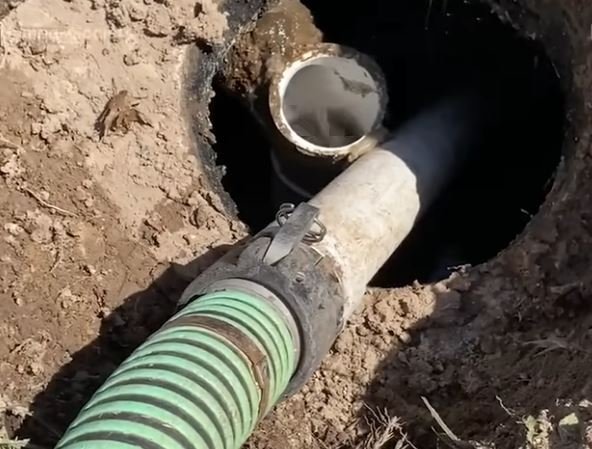
The pipe from the house enters the tank through a baffle. Wipes catch there, then paper catches on the wipes, and the line backs up into the house.
They add to the sludge
Wipes that sink take up tank space and don’t digest, so the tank fills faster and needs pumping sooner.
They wrap pump floats
On pump systems, a wipe wrapped around a float switch can stop the pump and set off the alarm.
Signs
How do you know wipes are causing your septic problem?
- Toilets back up but the tank isn’t full when it’s opened
- Backups keep coming back a few weeks after pumping
- You hear gurgling from the toilet when the tub drains
- A pump-system alarm goes off and the pump is fine when tested
- There are kids, guests or tenants in the house who use wipes
If you see these, the tank level tells the story. A normal level with a slow house points to a blocked inlet or line. See clogged line or full tank for the safe checks you can do first.
Wipes vs paper
Which products are safe to flush with septic?
| Product | Safe to flush? | Why |
|---|---|---|
| Toilet paper | Yes | Breaks apart in water within minutes |
| “Flushable” wipes | No | Hold together for days; snag on baffles |
| Baby wipes | No | Strong fibers; a top cause of inlet clogs |
| Paper towels | No | Made to stay strong when wet |
| Feminine products | No | Don’t break down; block pipes and pumps |
| Cleaning or makeup wipes | No | Add chemicals and fibers to the tank |
When in doubt, bin it. A small lidded trash can in each bathroom solves most wipe problems.
Already flushed them?
What should you do if you’ve been flushing wipes?
- Stop now. Put a small trash can with a lid next to each toilet.
- Watch for slow drains. One slow toilet is usually a plumbing clog; the whole house points to the line or the tank.
- Book a pump-out if it’s been 3 or more years. Wipes in the tank come out with the sludge.
- Ask for the inlet to be checked. We clear any mat at the baffle and look at the baffle itself.
- Jet the line if backups continue. A camera shows whether wipes are stuck between the house and the tank.
Local case example
Example: a rental in South Cleveland with repeat backups
The problem
A rental home backed up three times in two months, each time right after a new tenant moved in.
What we found
The tank was only half full. A rope of baby wipes had wrapped around the inlet baffle and blocked the pipe.
What we did
Cleared the inlet, jetted the line from the cleanout and checked the baffle, which was still sound.
The result
No backups since. The owner added trash cans with lids and a short do-not-flush note for tenants.
Example scenario based on common jobs in our area. It is not a customer review.
We answer these calls across Cleveland (37311, 37312, 37323), Charleston and Calhoun, Georgetown, McDonald and Hopewell, Ooltewah, Harrison, and Benton and Ocoee, across Bradley, Hamilton, Polk and McMinn counties. See all service areas.
From our crew
What do we pull out of tanks around Cleveland?
Wipes are one of the most common things we find on backup calls, especially in homes with small kids or rentals with changing tenants.
- Ropes of wipes at the inlet. They twist together into something that looks like wet rope.
- Wipes in the pump chamber. On hillside lots from Ooltewah to Benton, they tangle around the float and stop the pump.
- Wipes in the scum layer. They make the top crust thicker and harder to pump.
- Holiday backups. More guests means more wipes, and the lowest drain in the house shows it first.
FAQ
Questions we hear about this
Are flushable wipes really flushable?
They’ll go down the toilet, but they don’t break apart like toilet paper. For a septic system, treat them as trash.
Will septic additives dissolve wipes?
No. Additives don’t break down wipe fibers. The wipes have to be pumped or cleared out.
Can wipes damage my drain field?
Yes, if they pass through a broken outlet baffle. Fibers and solids reaching the field can clog the soil, which is the most expensive part to fix.
Are wipes a problem with city sewer too?
Yes. Sewer utilities also ask customers not to flush wipes because they clog pumps and pipes.
How do I clear wipes from my septic line?
Call a septic company. A water jetter or cable clears the line, and a camera confirms it’s clear. Don’t open the tank yourself.
Related: Clogged line or full tank? · Line jetting & camera · Backing up after pumping · Septic tank pumping
Last updated September 30, 2026.
Backing up and you’ve been flushing wipes?
Call us. We’ll check the inlet and clear the line.
So, Are Flushable Wipes Safe for a Septic Tank?
Short answer: no. Even wipes labeled “flushable” are built to hold together in water, so they don’t break down the way toilet paper does, and they’re one of the most common causes of clogged baffles and backed-up lines in septic systems around Cleveland, TN.
For an independent breakdown of why “flushable” wipes cause problems in septic and sewer systems, see the EPA’s septic system guide.