Home Septic Guide Buying a home with septic
Home buyer guide
Buying a home with septic in Tennessee
A septic system is the most expensive thing on a rural property that nobody can see. Before you close on a home around Cleveland, Ooltewah or anywhere in Bradley County, here’s what to check, what to ask for and which red flags to take seriously.
Before-closing checklist
What an inspection covers
Red flags
Quick answer
Should you get a septic inspection before buying a house in Tennessee?
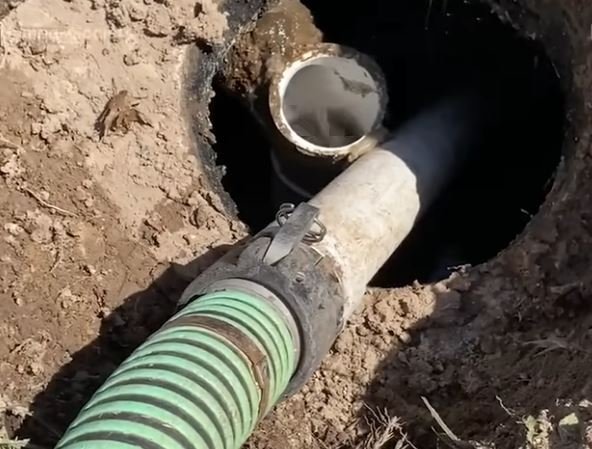
Yes. A general home inspection usually doesn’t open the tank. A septic inspection pumps and opens the tank, checks the baffles, lids and walls, looks at the drain field, and compares the system to the permit. It costs far less than a failed field.
Pumped
Tank opened and emptied to inspect
Permit
Compared to TDEC or county records
Report
For buyer, seller and agent
Checklist
What should you check before buying a home with septic?
- Ask for permit records. TDEC in Bradley, Polk and McMinn; Hamilton County Groundwater.
- Ask when it was last pumped. Get the invoice if there is one.
- Count bedrooms against the permit. An added bedroom on a small system is a red flag.
- Book a pumped septic inspection. Not just a visual look at the yard.
- Walk the drain field. Look for soggy ground, smells or green stripes.
- Ask about pumps and alarms. Where is the alarm, and has it gone off?
Inspection
What does a real septic inspection include?
| Check | Visual only | Full inspection |
|---|---|---|
| Tank located and opened | Sometimes | Yes |
| Tank pumped so walls and baffles can be seen | No | Yes |
| Inlet and outlet baffles checked | No | Yes |
| Drain field walked and probed | Brief | Yes |
| Pump, floats and alarm tested | No | Yes, if present |
| Compared to permit records | No | Yes |
| Written report | Short note | Full report |
Red flags
What septic red flags should make a buyer pause?
- No one knows where the tank is or when it was pumped
- Fresh sod or fill dirt over the drain field area
- Wet ground or smells over the field in dry weather
- More bedrooms than the permit allows
- A steel tank, or a concrete tank with cracks or missing baffles
- An alarm panel that’s been unplugged
Negotiating
What can you ask the seller to fix?
Small items like a broken baffle, cracked lid or missing riser are often fixed before closing. Bigger problems, like a failing drain field, usually lead to a price change or a repair credit, because the fix needs a permit and time. Your agent can advise on how to handle it; we’ll give you the facts in writing.
Local case example
Example: a buyer’s inspection near Wolftever Creek in Ooltewah
The problem
A buyer was two weeks from closing on an older home. Nobody knew when the tank was last pumped.
What we found
Lids were 2 feet down, one lid was cracked and the outlet baffle was missing. The field showed no surface water.
What we did
Pumped and inspected the tank, checked records with the Hamilton County Groundwater office and wrote a report.
The result
The seller replaced the lid and baffle before closing. The buyer moved in with a clean report.
Example scenario based on common jobs in our area. It is not a customer review.
We answer these calls across Cleveland (37311, 37312, 37323), Charleston and Calhoun, Georgetown, McDonald and Hopewell, Ooltewah, Harrison, and Benton and Ocoee, across Bradley, Hamilton, Polk and McMinn counties. See all service areas.
From our crew
What do we find most on home-sale inspections?
Around Cleveland we inspect a lot of older homes before closing. These come up again and again.
- Missing outlet baffles. Common on older concrete tanks; a cheap fix before closing.
- Bedroom additions. A converted bonus room on a system sized for fewer bedrooms.
- No records at all. Especially on older farmhouses in the north county.
- Alarms nobody mentioned. Pump systems on sloped lots where the alarm was unplugged.
FAQ
Questions we hear about this
Is a septic inspection required to buy a house in Tennessee?
It isn’t always required, but many lenders and buyers ask for one. It’s strongly recommended.
Who pays for a septic inspection in Tennessee?
Usually the buyer, but it can be negotiated. Some sellers get one before listing.
How long does a septic inspection take?
Usually a few hours on site, including finding and pumping the tank.
Does a home inspector check the septic system?
Most general home inspectors don’t open or pump the tank. Ask them, and book a septic inspection separately.
What if the drain field is failing?
Get a written estimate. A failing field usually leads to a price change, repair credit or repair before closing.
Related: Free septic checklists · Septic inspection · Find your septic tank · TDEC septic permits · Drain field replacement cost · Schedule septic pumping
Last updated October 1, 2026.
Buying a home with septic?
Call to book a pumped septic inspection before closing.
Buying a House With Septic in Tennessee: The Short Checklist
If you’re buying a house with septic in Tennessee, get an independent septic inspection before closing, pull the county permit records, and ask when the tank was last pumped. Skipping this step is one of the most expensive mistakes a buyer in Bradley County can make.
For a plain-language overview of how septic systems are inspected and maintained, see the EPA’s septic system guide.